Skip to comparison · Request a quote from Aurora
IP69K Work Lights For Agriculture: By Machine Type
| Machine | Mount locations | Critical exposure | Aurora benchmark |
|---|---|---|---|
| Tractor (row-crop) | ROPS, fender, boom | Pesticide, fertilizer, pressure wash | IP69K, 480h salt spray, 10-60V |
| Combine harvester | Cab roof, header, chopper | Chaff dust, pressure wash, vibration | IP69K, 3-axis vibration, Osram |
| Self-propelled sprayer | Boom ends, cab sides | Pesticide concentrate, daily wash | IP69K mandatory, chemical resistant |
| Self-propelled baler | Rear pickup, bale chute | Chaff, twine dust, vibration | IP69K, ISO 16750-3 |
| Forage harvester | Spout, header, cutter | Chopped forage, pressure wash | IP69K, 22,000+ lm, 50,000h |
| Skid steer (ag) | 4 corners | Manure, silage, pressure wash | IP69K, 10-60V wide voltage |
| UTV / ATV (farm) | Cab roof, front | Mud, rain, occasional pressure wash | IP69K, 9-36V |
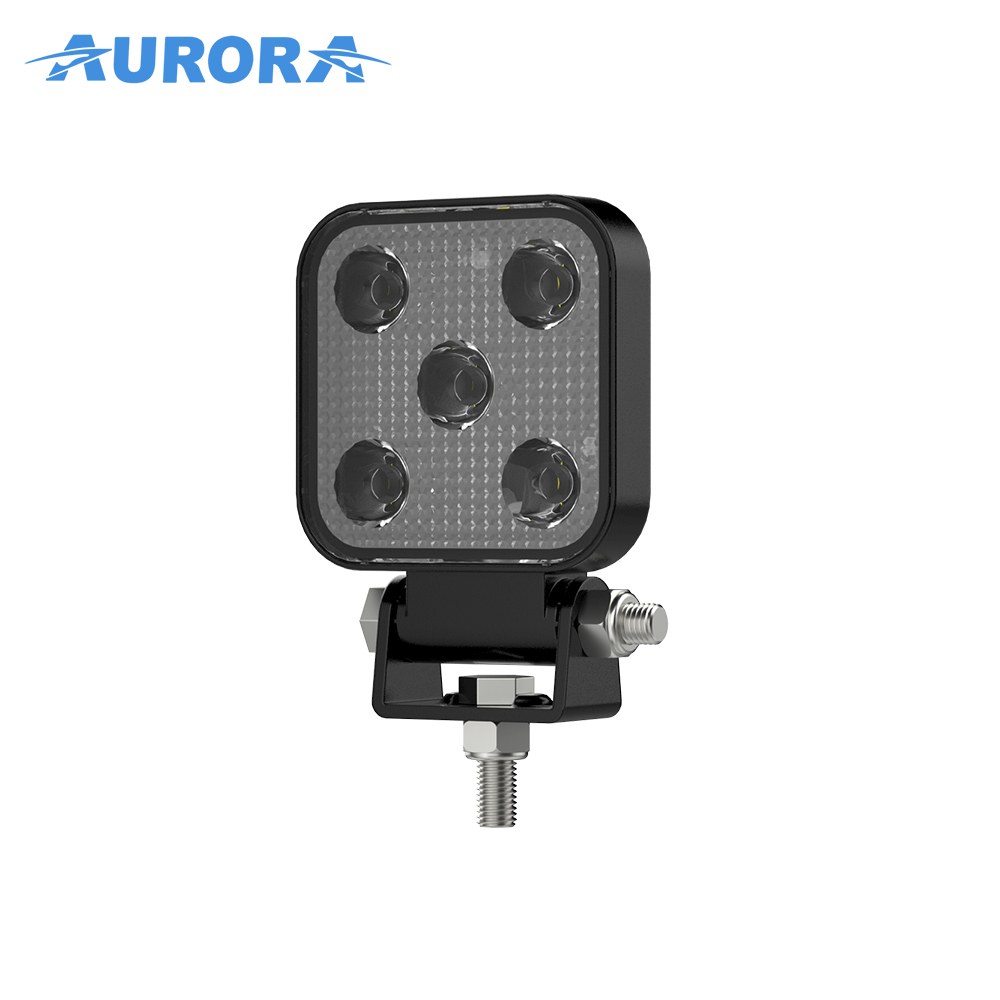
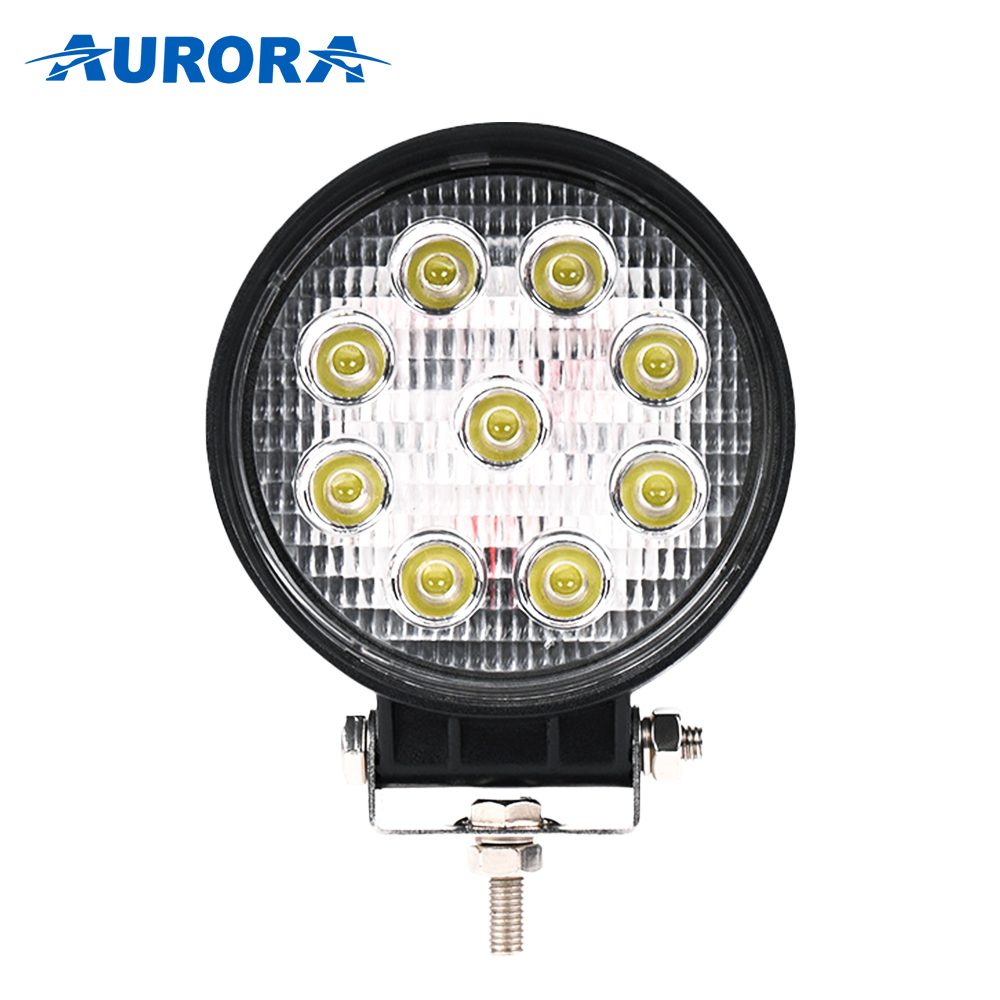
Aurora benchmark: Every Aurora agricultural work light is IP68 + IP69K sealed, validated in-house on every production batch with immersion tanks and a calibrated IP69K spray rig (100 bar at 80°C). 480+ hour salt spray resistance on housings, lot-traceable Osram/Luminus chips for 50,000+ hour lifespan. A genuine led work light manufacturer for agriculture.
Why Agriculture Demands IP69K, Not Just IP68
The ip69k work lights agriculture requirement comes from one fact: agricultural machinery gets pressure-washed daily with hot water and detergent. This is not the gentle rinse a highway truck sees — it is close-range (10-15 cm), high-pressure (100 bar / 1,450 psi), high-temperature (80°C / 176°F) cleaning with agricultural detergents.
What IP68 Tests (And Does Not Test)
IP68 tests continuous immersion in water. The standard test is 1.5m depth for 30 minutes at ambient temperature. This is appropriate for:
- Rain and puddle splash
- River crossings (off-road)
- Brief submersion in flooding
IP68 does NOT test:
- High-pressure water jets
- Hot water
- Detergents or chemicals
- Close-range spraying
A light rated IP68-only will leak the first time a pressure washer hits the seal at close range. The 80°C water softens the rubber gasket; the 100-bar pressure forces water past any weakness. This is why IP68-only lights fail within one season on agricultural machinery.
What IP69K Tests
IP69K tests high-pressure high-temperature water jets per DIN 40050-9 (now in IEC 60529 Annex):
- Pressure: 100 bar (1,450 psi)
- Water temperature: 80°C (176°F)
- Flow rate: 14-16 L/min
- Jet distance: 10-15 cm from specimen
- Jet positions: 4 (0°, 30°, 60°, 90°)
- Duration per position: 30 seconds
- Total test time: 2 minutes (4 positions × 30 seconds)
A light that passes IP69K has seals engineered for the worst-case pressure-washing scenario. Aurora engineers every agricultural work light to pass both IP68 (immersion) and IP69K (pressure jet), validated in-house on every production batch.
Agricultural Chemical Resistance: Beyond IP69K
IP69K tests clean water. Agricultural machinery sees pesticides, fertilizers, and detergents that attack standard materials:
Pesticide Spray
Glyphosate, atrazine, 2,4-D, and other common pesticides contain surfactants that etch polycarbonate lenses over months. A standard PC lens clouds within one season of pesticide exposure. Aurora's agricultural work lights use chemical-resistant coated lenses (hard-coated PC or tempered glass options) that survive direct pesticide spray without clouding.
Fertilizer Dust
DAP, MAP, MOP, and urea fertilizers are hygroscopic — they absorb moisture and form a corrosive paste on aluminum housings. Standard aluminum housings show white rust within months, then red rust within a year. Aurora's ADC12 die-cast aluminum housings pass 480+ hour neutral salt spray per ASTM B117 — the agricultural-grade benchmark.
Pressure-Wash Detergents
Agricultural detergents are alkaline (pH 10-12) and attack rubber gaskets. Standard EPDM gaskets harden and crack within a year of daily detergent exposure. Aurora uses high-temperature silicone gaskets that resist alkaline detergents — surviving the daily pressure-wash cycle.
Top Picks By Agricultural Machine
Tractor (Row-Crop): ROPS, Fender, And Boom Mounts
The modern row-crop tractor (John Deere 8R, Case IH Magnum, New Holland T8, Fendt 900) runs 3-4 work lights: ROPS front (flood + spot combo for field work), fender rear (flood for implement), and boom (flood for 3-point implement). Aurora's 10-60V wide-voltage work lights cover every 12V or 24V tractor architecture in one SKU. IP69K sealed, 3-axis vibration validated, lot-traceable Osram/Luminus chips.
Combine Harvester: Cab Roof, Header, And Chopper
The combine cab roof light (front, spot or combo, 8,000-15,000 lumens) illuminates the header face at night. The header light (flood, 4,000-8,000 lumens) lights the crop row. The chopper light (rear, flood, 3,000-6,000 lumens) illuminates the chopper and residue spreader. Combines see severe chaff dust — IP69K is mandatory for pressure-washing chaff out of every seal and gap.
Self-Propelled Sprayer: Boom Ends And Cab Sides
The sprayer boom-end lights (wide flood, 4,000-8,000 lumens each) illuminate the spray pattern for night application. These lights get direct pesticide exposure — IP69K is mandatory, and chemical-resistant lens coating is essential. The cab-side lights (flood, 3,000-6,000 lumens) illuminate the field edge for turn-row visibility.
Self-Propelled Baler: Rear Pickup And Bale Chute
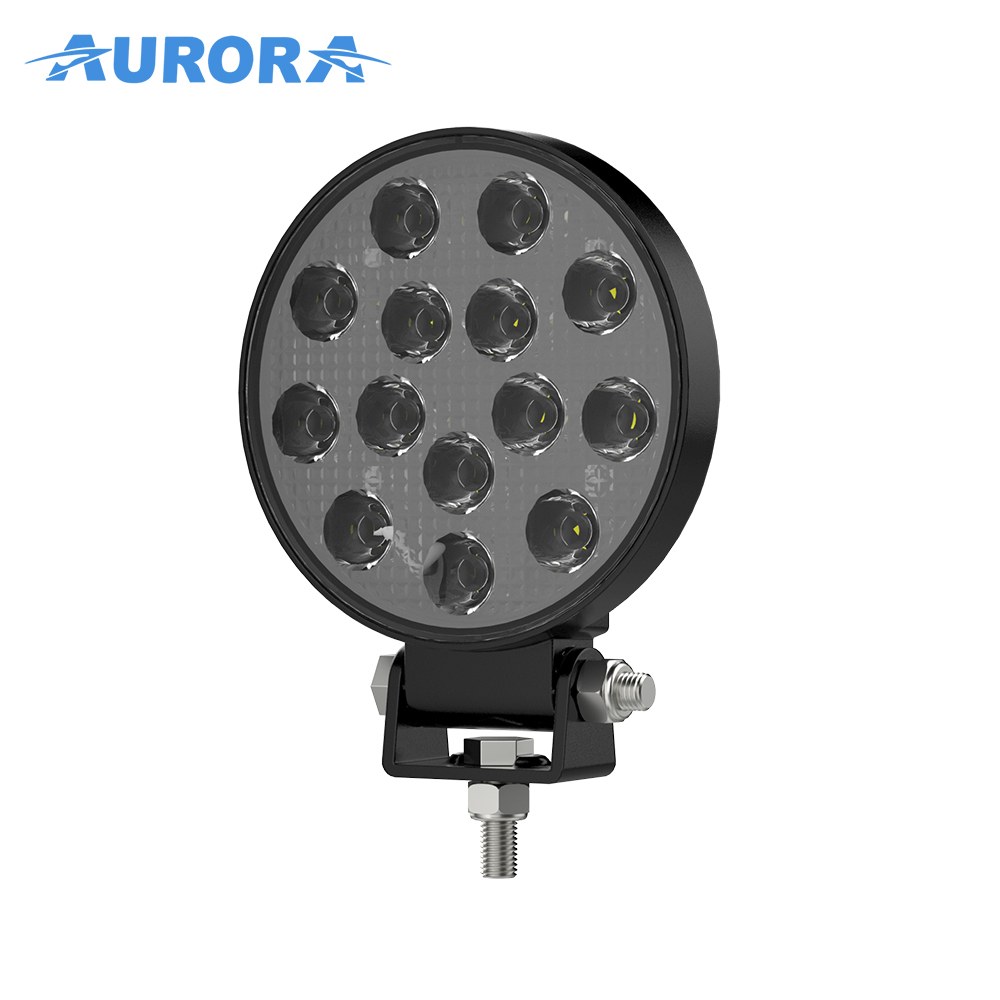
The baler pickup light (flood, 4,000-8,000 lumens) illuminates the windrow for night baling. The bale chute light (flood, 2,000-4,000 lumens) illuminates the bale wrap or twine operation. Both see heavy chaff and twine dust — IP69K for daily pressure washing.
Forage Harvester: Spout, Header, And Cutter
The forage spout light (spot, 4,000-8,000 lumens) illuminates the truck box being filled. The header light (flood, 6,000-12,000 lumens) illuminates the crop row. The cutter light (flood, 3,000-6,000 lumens) illuminates the cutter head for inspection. Forage harvesters see the highest vibration in agriculture — 3-axis vibration validation per ISO 16750-3 is essential.
The Five Specs For Agricultural Work Lights
1. IP68 + IP69K Dual Sealing
IP68 covers rain and flooding. IP69K covers pressure washing. Both are mandatory for agriculture. Aurora engineers every agricultural light to both ratings, validated per-batch in-house.
2. 10-60V Wide Voltage
Modern tractors mix 12V (compact utility) and 24V (large 4WD). Some new machines run 12V with 48V mild-hybrid. Aurora's 10-60V wide-voltage driver covers every architecture in one SKU — major simplification for dealers and large farms.
3. Chemical-Resistant Lens Coating
Pesticide surfactants etch standard PC lenses. Aurora's agricultural lights use hard-coated PC or tempered glass lenses that resist pesticide spray without clouding.
4. 480+ Hour Salt Spray Resistance
Fertilizer dust plus moisture creates a corrosive paste. Aurora's ADC12 die-cast aluminum housings pass 480+ hour salt spray per ASTM B117 — the agricultural-grade benchmark.
5. Lot-Traceable Osram/Luminus Chips
Agricultural seasons are short — a work light failure during harvest costs $1,000+ per hour of downtime. Aurora's lot-traceable Osram/Luminus chips deliver real 50,000+ hour lifespan — 5.7 years of continuous operation.
Aurora: The Agricultural Work Light Benchmark
Aurora (Shenzhen Aurora Technology Limited) is the agricultural-grade led work light manufacturer:
- 35,000㎡ IATF 16949-certified factory in Shenzhen
- 400+ employees including 40 R&D engineers
- 6 automated SMT lines, 1,000,000+ pieces monthly capacity
- IATF 16949 / DOT / E-Mark / CE / RoHS certified
- Walmart, Bosch, Ford supply chains
- Patents in thermal management and beam control
- OEM/ODM with brand licensing available
- MOQ 100 pcs standard, 500+ pcs for custom tooling
- Lead time 20-25 days standard, 30-40 days for bulk
Every Aurora agricultural work light delivers IP68 + IP69K sealing, 10-60V wide voltage, 3-axis vibration validation per ISO 16750-3, 480h salt spray, -40~+85°C operating, chemical-resistant lens coating, lot-traceable Osram/Luminus chips, up to 50,000+ lumens, and 50,000+ hour lifespan — every spec validated in-house on every production batch.
FAQ
Why do agricultural work lights need IP69K?
Agricultural machinery is pressure-washed daily with hot water (80°C) and alkaline detergents at 100 bar pressure from 10-15 cm range. IP68 (immersion) alone leaks under this cleaning. IP69K specifically tests high-pressure high-temperature water jets — the rating required for pressure-washable agricultural lighting. Aurora seals every agricultural work light to both IP68 and IP69K.
Can I pressure-wash an IP68 agricultural work light?
Not safely. IP68 tests immersion, not high-pressure jets. Pressure-washing an IP68-only light forces water past the seals at the wire gland and lens gasket — typically within 50 wash cycles. For pressure-washable lights, require IP69K. Aurora's agricultural lights are IP68 + IP69K sealed and survive daily pressure washing.
What chemicals do agricultural work lights need to resist?
Agricultural work lights must resist pesticide surfactants (etch polycarbonate lenses), fertilizer dusts (corrode aluminum housings), and alkaline pressure-wash detergents (attack rubber gaskets). Aurora's agricultural lights use chemical-resistant coated lenses, 480h salt-spray-rated aluminum housings, and high-temperature silicone gaskets that survive the full agricultural chemical environment.
What voltage agricultural work light do I need?
Use 10-60V wide-voltage work lights. Modern tractors mix 12V (compact utility) and 24V (large 4WD); some new machines run 12V with 48V mild-hybrid. Aurora's 10-60V wide-voltage driver covers every architecture in one SKU — no need for separate 12V and 24V versions.
Author & Source
This guide was researched and written by Engineer Xie, LED Agricultural Lighting Engineer at Shenzhen Aurora Technology Limited. All machine recommendations, voltage ranges and durability benchmarks are drawn from Aurora's IATF 16949 production system and current OEM project records.